




In the modern world of cosmetic dentistry, achieving a flawless, radiant smile is a goal shared by many. Among the most popular and effective solutions available today are dental veneers and Lumineers. However, patients often find themselves facing a common dilemma: Veneers vs Lumineers? Which option is the best fit for my specific dental needs? This comprehensive guide aims to demystify these two popular treatments by providing an in-depth comparison. We will explore the fundamental differences between veneers and Lumineers, including their application processes, durability, cost, and the unique advantages and disadvantages of each. By understanding these key factors, you will be well-equipped to make an informed decision and take the first step toward the smile of your dreams.
What Are Veneers?
Definition of dental veneers
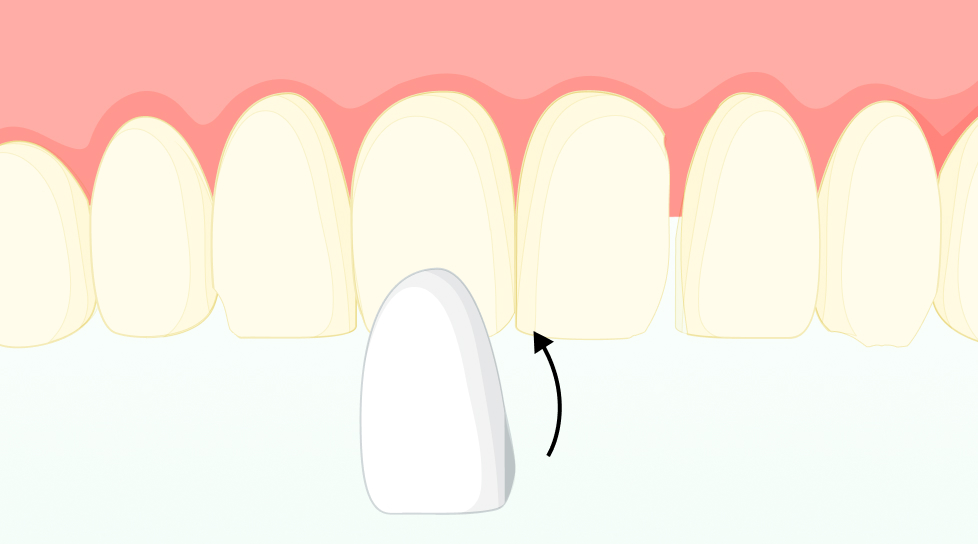
Dental veneers are custom-made, ultra-thin shells designed to cover the front surface of teeth to improve their appearance. Typically crafted from high-quality porcelain or resin composite materials, veneers are permanently bonded to the teeth to alter their color, shape, size, or length. They are an excellent cosmetic solution for teeth that are severely discolored, chipped, broken, misaligned, or have noticeable gaps between them. Because they are meticulously designed to match the natural contour and color of your existing teeth, dental veneers provide a highly realistic and aesthetically pleasing result.
Common types of veneers
There are two primary types of veneers used in cosmetic dentistry: porcelain veneers and composite resin veneers. Porcelain veneers are the gold standard; they are highly durable, resist stains exceptionally well, and possess a translucent quality that closely mimics the light-reflecting properties of natural teeth. Composite resin veneers, on the other hand, are thinner and require less removal of the tooth surface before placement. While they are generally more affordable and can often be applied in a single visit, they are not as stain-resistant or long-lasting as their porcelain counterparts.
Advantages of veneers
The advantages of veneers are numerous, making them a top choice for complete smile makeovers. First and foremost, they provide a remarkably natural tooth appearance. Porcelain veneers, in particular, are highly resistant to stains from coffee, tea, and smoking, ensuring your smile remains bright for years. Furthermore, veneers offer a conservative approach to changing a tooth's color and shape compared to dental crowns, as they require less extensive shaping of the natural tooth. They can simultaneously correct multiple cosmetic issues, delivering a dramatic yet natural-looking transformation.
Read about: Step-by-Step Guide to Achieving a Natural Hollywood Smile
What Are Lumineers?
Definition of Lumineers teeth
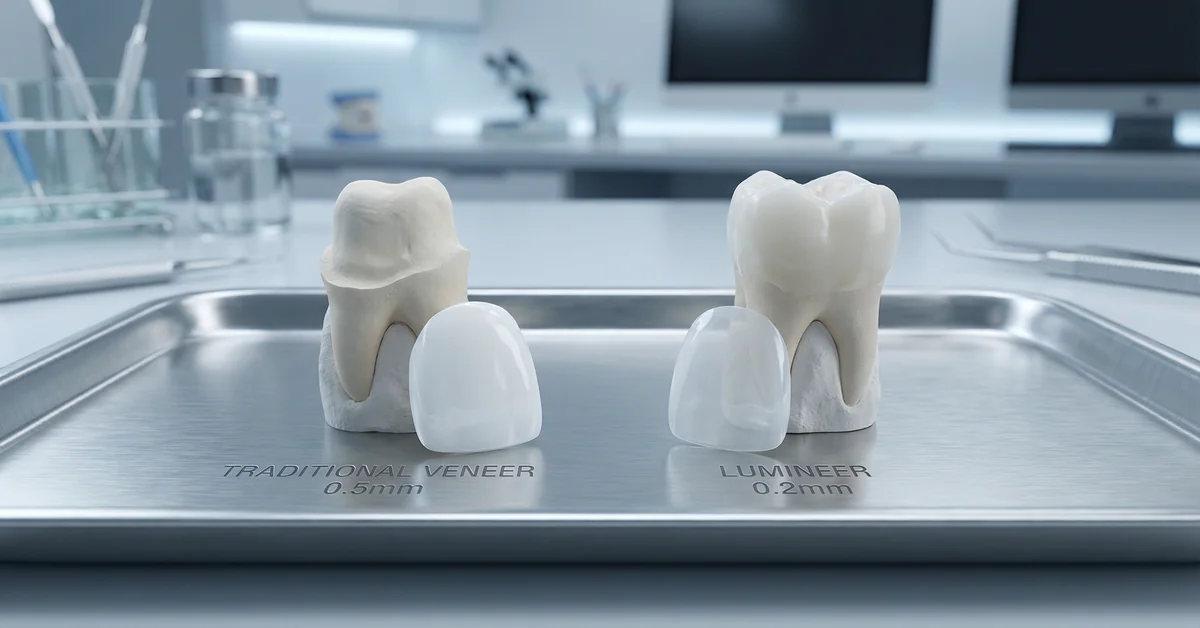
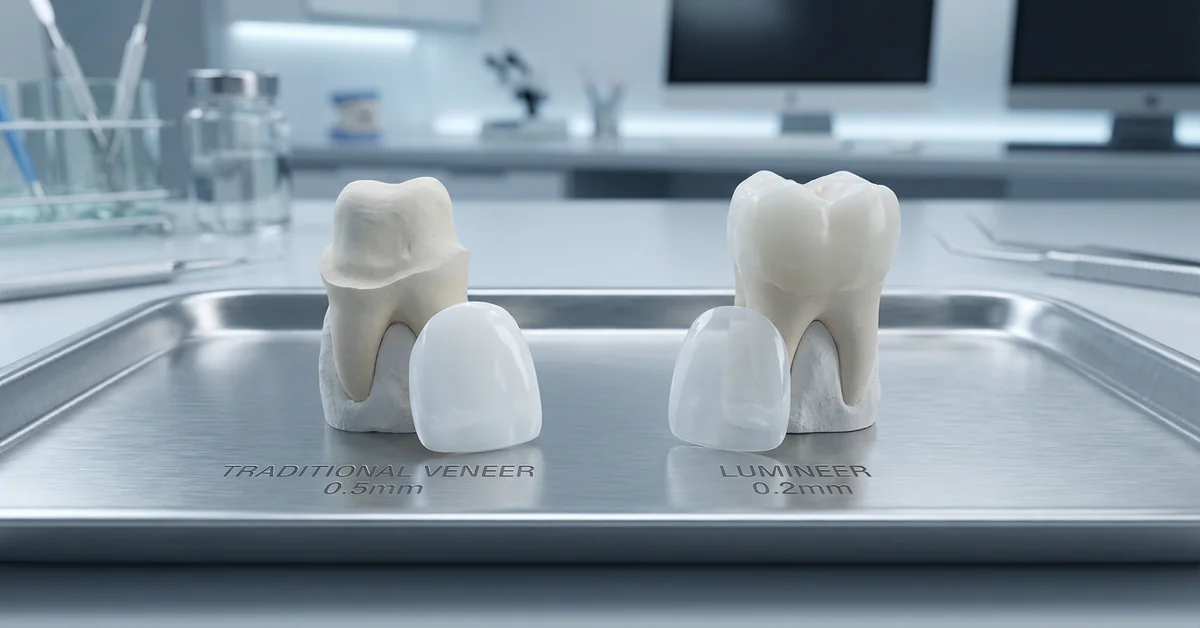
Lumineers are a specific, highly popular brand of ultra-thin porcelain veneers. Often referred to as "no-prep" veneers, Lumineers teeth are exceptionally thin—roughly the thickness of a contact lens (about 0.2 mm). Because of their extreme thinness, they can usually be applied seamlessly over your existing teeth without the need to remove any natural tooth enamel. This makes the application process significantly less invasive than traditional veneers. Lumineers are primarily used to correct minor cosmetic imperfections, such as slight discoloration or small gaps, providing a beautiful smile enhancement with minimal alteration to the natural tooth structure.
Advantages of Lumineers
The most significant among the advantages of Lumineers is that the procedure is entirely reversible. Because no natural tooth enamel is removed during the application, the underlying tooth remains intact and healthy. The process is generally painless, requiring no drilling or local anesthesia, which greatly reduces patient anxiety. Additionally, Lumineers can be applied relatively quickly, often in just two dental visits. They provide an excellent, long-lasting cosmetic solution for patients who want to improve their smile without committing to the permanent alteration of their natural teeth.
Difference between Lumineers and veneers in application
The core difference between veneers and Lumineers lies in the preparation and application process. Traditional veneers require the dentist to shave down a thin layer of the tooth's enamel (usually about 0.5 mm) to ensure the veneer fits flush with the gum line and doesn't look bulky. This enamel removal is permanent. In contrast, Lumineers are so thin that they can be bonded directly to the surface of the un-prepped tooth. This "no-prep" approach means the natural tooth structure is preserved, making the Lumineers procedure faster, painless, and completely reversible.
Read about: Veneers Quality Comparison: Turkey vs Germany
Comprehensive Comparison Between Veneers and Lumineers
Veneers vs Lumineers: Which is better?
When deciding between Veneers vs Lumineers, the "better" option depends entirely on the patient's specific dental issues and cosmetic goals. If you have severely stained teeth, significant misalignment, or large chips, traditional veneers are usually the better choice because they offer comprehensive coverage and allow for more dramatic reshaping. However, if your teeth are relatively straight and you only need to address minor discoloration or small gaps, and you strongly prefer a non-invasive, reversible procedure, Lumineers are likely the ideal solution for you.
Veneers vs Lumineers durability and strength
In terms of Veneers vs Lumineers durability, both options are highly resilient when cared for properly. Traditional porcelain veneers are generally considered slightly more robust due to their thickness and the strong bond formed with the prepared tooth enamel; they can easily last 10 to 15 years or more. Lumineers are also made from a highly durable, specialized porcelain (Cerinate) and can last just as long. However, because they are so thin, Lumineers may be slightly more susceptible to chipping or cracking if subjected to excessive force, such as biting down on hard objects.
Effect of veneers and Lumineers on enamel
The effect on tooth enamel is a critical factor in the difference between veneers and Lumineers. Traditional veneers permanently alter the tooth because a layer of enamel must be removed. Once a tooth has been prepped for a veneer, it will always require a covering (either a new veneer or a crown) to protect it. Lumineers, conversely, have zero negative impact on the enamel. Because they are applied directly to the unprepared tooth, the natural enamel remains 100% intact, preserving the structural integrity of the tooth and allowing for the safe removal of the Lumineers in the future if desired.

Veneers and Lumineers Cost
Average veneers cost
The average veneers cost can vary widely depending on several factors, including the material used, the dentist's expertise, and the geographic location of the clinic. Generally, porcelain veneers are more expensive than composite resin veneers due to the high quality of the material and the laboratory work required to craft them. While traditional veneers represent a significant financial investment, their longevity, durability, and the dramatic aesthetic improvement they provide make them a highly worthwhile long-term investment for many patients seeking a perfect smile.
Average Lumineers cost
The average Lumineers cost is often comparable to, or sometimes slightly higher than, traditional porcelain veneers. This is because Lumineers are manufactured from a proprietary, ultra-strong porcelain in a specialized dental laboratory, which adds to the material costs. Although the clinical procedure is faster and requires less chair time since there is no tooth preparation, the advanced technology and exclusive materials used to create these ultra-thin shells keep the overall Lumineers cost in a premium price bracket.
Factors affecting the price
Several key factors influence both veneers cost and Lumineers cost. The most obvious is the number of teeth being treated; a full smile makeover will naturally cost more than treating a single chipped tooth. The skill, reputation, and experience of the cosmetic dentist also play a major role in pricing. Additionally, the quality of the dental laboratory used to fabricate the restorations can affect the final cost. It is highly recommended to consult with your dentist to get a precise, customized quote based on your specific treatment plan.
Read about: Is No-Prep Hollywood Smile Effective? Pros and Cons Explained
Advantages and Disadvantages of Veneers
Benefits of veneers
The primary benefits of veneers include their ability to completely transform a smile by masking severe imperfections. They are the best teeth whitening veneers for intrinsic stains that do not respond to traditional bleaching treatments. Veneers can dramatically alter the shape, size, and alignment of teeth, providing a uniform, Hollywood-style smile. Furthermore, porcelain veneers are highly biocompatible, meaning the gum tissues tolerate them well, and their stain-resistant properties ensure that your new smile remains vibrant and white for many years.
Drawbacks and side effects of veneers
Despite their transformative power, there are disadvantages of veneers to consider. The most significant drawback is that the procedure is irreversible due to the necessary removal of tooth enamel. Some patients may experience temporary tooth sensitivity to hot and cold temperatures immediately following the procedure. Additionally, while veneers are strong, they are not indestructible; if they chip or break under extreme pressure, they usually cannot be repaired and must be entirely replaced, which incurs additional costs.
Read about: Painless Hollywood Smile: New Solutions and Potential Risks
Advantages and Disadvantages of Lumineers
Benefits of Lumineers
The standout benefits of Lumineers revolve around their non-invasive nature. Because there is no drilling or enamel removal required, the procedure is painless and typically requires no anesthesia. This preservation of the natural tooth structure means the process is completely reversible. Lumineers are an excellent option for patients with dental anxiety. They effectively hide minor imperfections and provide a permanent whitening solution without the risk of post-operative tooth sensitivity commonly associated with traditional enamel preparation.
Drawbacks and risks of Lumineers
However, there are also disadvantages of Lumineers. Because they are added directly to the existing tooth without any shaving, they can sometimes add a slight bulkiness to the teeth, making them feel or look slightly thicker. If not applied by a highly skilled dentist, this added thickness can create a small ledge at the gum line, making it harder to clean and potentially increasing the risk of gum inflammation or disease. Furthermore, their extreme thinness means they may not be opaque enough to fully mask severely darkened or heavily discolored teeth.
Read about: Removable Hollywood Smile: Temporary Perfect Solution
Permanent Veneers vs Temporary Lumineers: Which One Is Right for You?
When to choose permanent veneers
You should opt for permanent veneers if you require significant structural or aesthetic changes to your teeth. If your teeth are heavily discolored, noticeably crooked, or have large gaps or fractures, traditional veneers provide the necessary thickness and coverage to completely mask these issues. Permanent veneers are the ideal choice for patients who are fully committed to a long-term, irreversible cosmetic enhancement and want the most dramatic, flawless, and customizable results possible for their smile makeover.
Situations favoring temporary Lumineers
Temporary Lumineers (or reversible Lumineers) are the perfect choice if your teeth are already relatively straight and well-aligned, but you wish to improve their color, fix minor chips, or close very small gaps. They are highly favored by patients who are hesitant about permanently altering their natural teeth and want to keep their options open for the future. Lumineers are also an excellent choice for younger patients or anyone looking for a painless, quick cosmetic upgrade without the commitment of enamel removal.
Read about: Permanent Hollywood Smile: Pre and Post Procedure Tips
Steps to Apply Veneers and Lumineers
Preparations before veneer application
The process for traditional veneers usually involves three dental visits. During the preparation phase, the dentist will administer local anesthesia and carefully remove a thin layer of enamel from the front of the teeth. Next, highly accurate impressions or digital scans of the prepared teeth are taken and sent to a dental laboratory where the custom veneers are crafted. The dentist will typically place temporary veneers on your teeth to protect them while you wait for the permanent ones to be fabricated, which usually takes a few weeks.
Preparations before Lumineers application
The preparation for Lumineers is much simpler and faster. During the initial visit, the dentist will thoroughly examine your teeth and take precise impressions or digital molds. Because Lumineers are "no-prep," there is absolutely no drilling, no injections, and no removal of tooth enamel required. These impressions are then sent to a specialized Lumineers laboratory. Since your natural teeth remain completely intact and unaltered, there is no need for you to wear temporary restorations while waiting for your final Lumineers.
Duration of each procedure
The overall duration for both procedures is somewhat similar in terms of waiting for the laboratory fabrication, usually taking about two to three weeks. However, the clinical chair time differs significantly. Traditional veneers require longer appointments for the enamel preparation and the placement of temporaries. The Lumineers procedure is much quicker; the first appointment is just a brief impression-taking session, and the second appointment involves a straightforward, painless bonding process to attach the ultra-thin shells directly to your teeth.
Read about: Lumineers vs Veneers: Which One Suits You Best
Care Tips for Veneers and Lumineers
How to maintain veneers longer
To ensure your permanent veneers last as long as possible, you must maintain impeccable oral hygiene. Brush your teeth at least twice a day using a non-abrasive fluoride toothpaste to avoid scratching the porcelain surface, and floss daily to keep the gums healthy. It is crucial to avoid biting down on hard objects like ice, pens, or hard candies, and never use your teeth as tools to open packaging, as this can easily chip or dislodge the veneers. Regular dental check-ups and professional cleanings are also essential.
Tips for caring for Lumineers
Caring for Lumineers teeth is very similar to caring for traditional veneers. Excellent daily brushing and flossing are vital, particularly around the gum line where the Lumineer meets the tooth, to prevent plaque buildup and gum disease. Because Lumineers are incredibly thin, you should be especially cautious when eating very hard or crunchy foods. If you suffer from bruxism (teeth grinding or clenching during sleep), it is highly recommended that you wear a custom-fitted night guard to protect your Lumineers from excessive force and potential cracking.
Read about: Natural Ways to Strengthen Teeth Before Veneers or Lumineers
Daily habits affecting veneers and Lumineers lifespan
Certain daily habits can significantly impact the Veneers vs Lumineers durability. Smoking and the frequent consumption of highly pigmented foods and beverages, such as coffee, tea, red wine, and berries, can eventually cause staining around the edges of the restorations, even though the porcelain itself is stain-resistant. Neglecting oral hygiene can lead to tooth decay underneath the veneers or gum recession, which can expose the margins and compromise the aesthetic result. Adopting healthy habits is key to preserving your beautiful new smile.
Read about: How to Choose the Best Clinic for a Painless Hollywood Smile
Conclusion
In conclusion, the choice between veneers and Lumineers ultimately depends on your unique dental condition, your aesthetic goals, and your comfort level with altering your natural teeth. Traditional veneers offer a robust, permanent solution for significant cosmetic flaws, providing a complete smile transformation. Lumineers, conversely, offer a painless, reversible alternative ideal for minor enhancements while preserving your natural enamel. Both options are excellent investments in your confidence and appearance. To determine which treatment is truly the best fit for you, a consultation with an experienced cosmetic dentist is essential. At Safemedigo, our network of top-tier dental professionals is dedicated to helping you achieve the flawless smile you deserve through personalized care and advanced cosmetic techniques. Contact us today via WhatsApp to schedule your comprehensive consultation and take the first step toward your perfect smile.
FAQ: Veneers vs Lumineers: Comprehensive Comparison and Differences
Is the procedure for getting veneers or Lumineers painful?
Getting Lumineers is completely painless and requires no anesthesia because there is no drilling or enamel removal involved. Traditional veneers may cause mild discomfort during the enamel preparation phase, but this is always managed effectively with local anesthesia to ensure you are comfortable throughout the procedure.
Can veneers or Lumineers be whitened if they become stained?
No, the porcelain materials used to make both veneers and Lumineers do not respond to traditional teeth whitening treatments. If your restorations become noticeably stained or discolored over time, they will need to be professionally replaced to restore your bright, white smile.
Can I have my veneers removed and go back to my natural teeth?
For traditional veneers, the process is irreversible because a layer of your natural enamel was permanently removed; your teeth will always require a protective covering. Lumineers, however, can usually be safely removed by a dentist, allowing you to return to your natural teeth since the enamel was left intact.
How long do veneers and Lumineers typically last?
With excellent oral hygiene practices and by avoiding bad habits like biting on hard objects or using your teeth as tools, both traditional porcelain veneers and Lumineers can last anywhere from 10 to 15 years, and sometimes even longer, before needing replacement.
Are veneers and Lumineers suitable for everyone?
No, candidates must have healthy gums and teeth free of active decay before undergoing either procedure. Additionally, individuals who severely grind or clench their teeth (bruxism) may not be ideal candidates unless they strictly commit to wearing a protective night guard while sleeping.