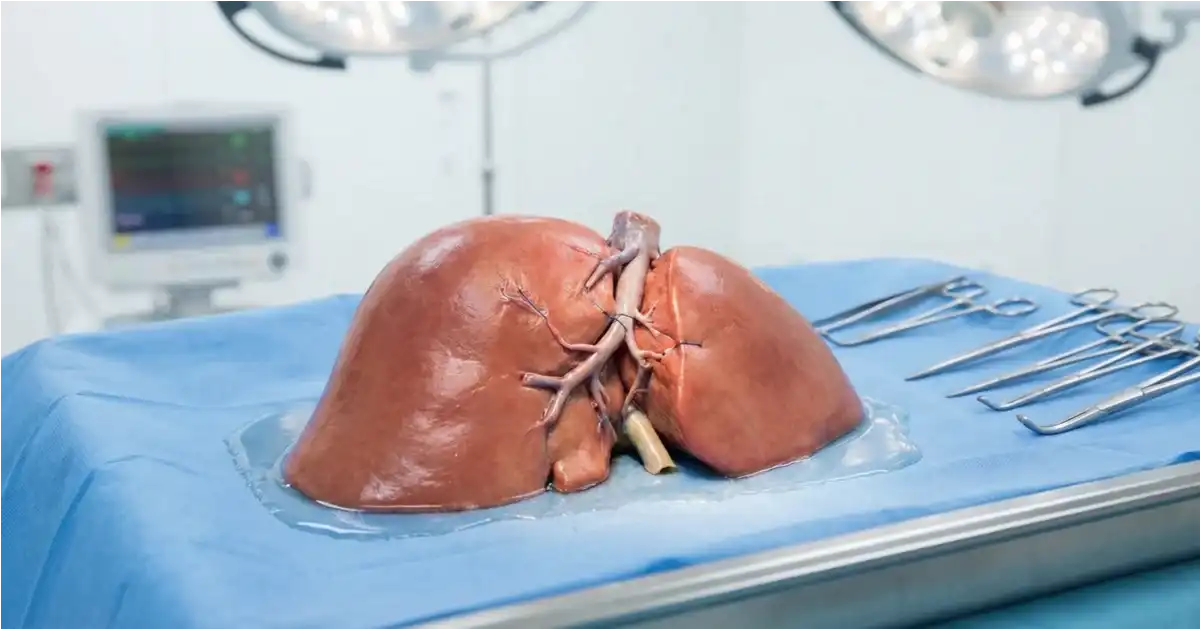





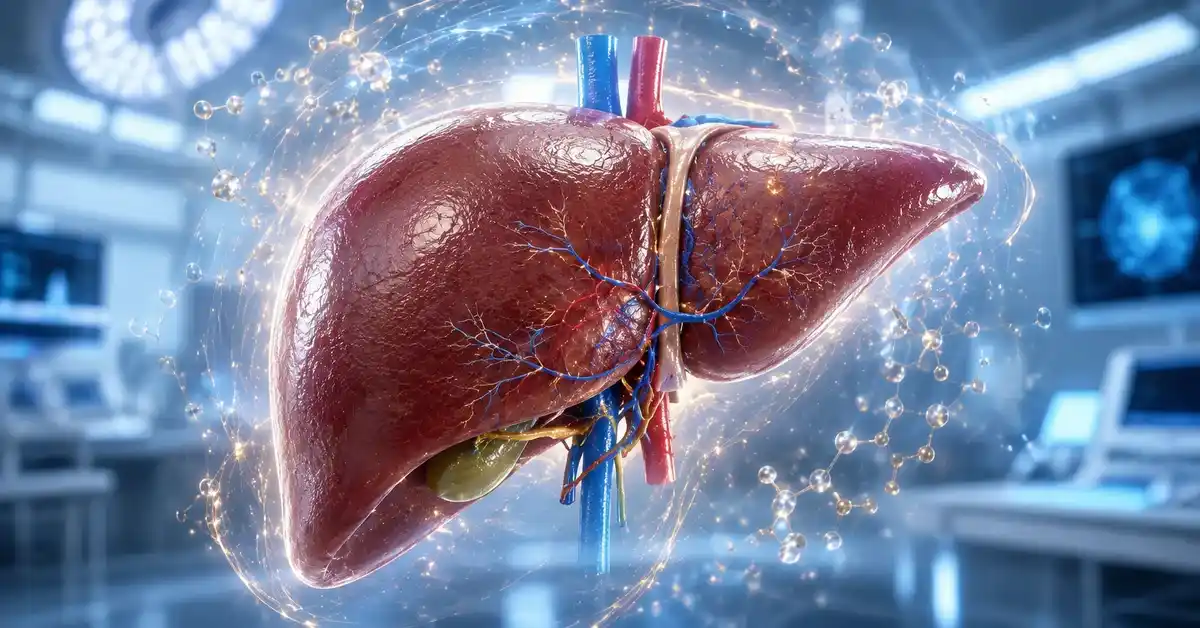
A partial liver transplant from a living donor is one of the most complex and carefully planned procedures in transplant medicine. It involves two people at the same time: the recipient, who needs a new functioning liver, and the healthy donor, who agrees to donate part of their liver. The procedure is possible because the liver has a unique ability to regenerate, allowing both the remaining liver in the donor and the transplanted liver portion in the recipient to grow and adapt after surgery.
A living donor liver transplant may be considered for patients with advanced liver failure, chronic liver disease, certain inherited or bile duct diseases, and selected cases in children. It can reduce waiting time compared with waiting for a deceased donor organ, but it requires strict evaluation of both donor and recipient to protect safety as much as possible.
At Safemedigo, living donor liver transplant cases are handled as a detailed medical journey that requires clear preparation, extensive testing, risk assessment, and careful coordination between the patient, donor, and medical team. This article explains partial liver transplant details, liver transplant procedure steps, living liver donor requirements, liver transplant tests, risks of liver transplant, success rate, cost, recovery, life after liver transplant, pediatric liver transplant, and liver transplant in Turkey.
Partial Liver Transplant from Living Donor Details
A partial liver transplant from a living donor means removing a suitable portion of liver from a healthy donor and transplanting it into a patient whose liver is failing or severely damaged. The whole liver is not removed from the donor. Instead, the surgical team chooses the portion that provides enough liver volume for the recipient while leaving enough liver behind for the donor’s own health.
This operation requires a highly specialized team in liver surgery, transplant care, anesthesia, intensive care, radiology, laboratory medicine, immunology, nutrition, and transplant nursing. It also requires psychological and social preparation because the donor is a healthy person undergoing major surgery to help someone else.
The details of a partial liver transplant vary depending on the patient’s age, body size, cause of liver disease, blood vessels, bile ducts, donor anatomy, and overall health of both donor and recipient. There is no single plan that fits all cases. The final surgical plan is created only after detailed medical testing.
Liver transplant procedure steps
Liver transplant procedure steps begin long before the day of surgery. First, the recipient is evaluated to confirm the need for transplant and to check whether any medical problems may increase the risk of surgery. The donor is then evaluated to confirm that they are healthy, have suitable liver anatomy, and will be left with enough liver volume after donation.
On the day of surgery, two related operations are performed. One surgical team removes the selected liver portion from the donor while protecting important blood vessels and bile ducts. Another team prepares the recipient by removing the diseased liver. The donated liver portion is then implanted and connected to the recipient’s blood vessels and bile ducts.
After surgery, both donor and recipient are monitored closely. The recipient is watched for bleeding, liver function, bile flow, blood flow, kidney function, infection, and rejection. The donor is also monitored carefully because donation is a major operation even though the donor does not have liver disease.
stages of liver transplant
The stages of liver transplant start with the initial medical assessment and continue long after hospital discharge. The first stage is confirming that the recipient truly needs a transplant. Then a potential living donor is identified. After that, both donor and recipient go through compatibility testing, imaging, health evaluation, and risk assessment.
Key stages may include:
- Evaluating the recipient’s liver disease.
- Confirming the need for transplant.
- Identifying a possible living donor.
- Blood type and compatibility testing.
- Imaging of the liver, vessels, and bile ducts.
- Measuring liver volume for donor and recipient.
- Confirming donor safety.
- Heart, lung, and kidney evaluation.
- Psychological and social assessment.
- Legal and ethical review when required.
- Explaining risks to both donor and recipient.
- Scheduling surgery.
- Performing donor and recipient operations.
- Intensive care monitoring.
- Hospital recovery.
- Discharge planning.
- Long-term follow-up.
Each stage is important because one missed risk factor may affect donor safety or transplant success.
Liver transplant surgery duration
Liver transplant surgery duration varies depending on the case, but it is usually a long and complex operation. Donor surgery alone requires careful removal of the planned liver portion. Recipient surgery involves removing the diseased liver, placing the new liver portion, and connecting blood vessels and bile ducts accurately.
The duration may be longer if the recipient had previous abdominal surgery, severe scarring, complex blood vessels, bile duct variation, bleeding risk, or advanced illness. The time spent in the hospital also includes preparation before surgery, intensive care afterward, ward recovery, and follow-up planning.
Patients and donors should ask about:
- Expected surgery duration.
- Expected intensive care stay.
- Total hospital stay.
- When eating and walking may begin.
- When the donor may return to normal activity.
- When the recipient may travel.
- What warning signs require urgent contact.
- What follow-up schedule is expected.
The surgery day is only one part of the full transplant journey.

Living Liver Donor Requirements
Living liver donor requirements are designed first to protect the donor. The donor is a healthy person, so the medical team must make sure that the donation is as safe as possible and that the donor understands the procedure, recovery, and risks. The donor’s decision must be voluntary and free from pressure.
A potential donor must have good general health, normal liver function, suitable liver size and anatomy, and no condition that makes surgery unsafe. The relationship between donor and recipient, consent process, and legal requirements are also reviewed according to the rules of the country and transplant program.
Being willing to donate is not enough. Blood type, liver volume, blood vessels, bile ducts, liver fat, body weight, age, medical history, and psychological readiness all matter. A donor may be refused even if they want to help if donation is not safe for them or not suitable for the recipient.
liver donor requirements
Liver donor requirements include medical, surgical, psychological, and ethical criteria. The goal is to confirm that the donor can safely tolerate surgery and that the remaining liver will be enough for normal life after donation.
General requirements may include:
- Adult age and ability to consent.
- Voluntary decision without pressure.
- Good general health.
- Normal liver function.
- No active liver disease.
- No severe fatty liver.
- Suitable blood type or acceptable medical plan.
- Suitable liver size for donor and recipient.
- No serious heart or lung disease.
- No uncontrolled infection.
- No active substance misuse.
- Psychological readiness.
- Understanding of the risks.
- Approval by surgical and anesthesia teams.
Requirements may differ depending on donor age, relationship to the recipient, local regulations, and transplant center policy.
liver donation process
The liver donation process involves choosing the right liver portion based on the recipient’s needs and donor safety. In children, a smaller liver segment may be enough. In adults, a larger portion may be needed. The remaining liver in the donor must be sufficient to maintain healthy liver function after surgery.
The liver can regenerate, but this does not mean donation is simple or risk-free. The donor undergoes major surgery and may face pain, bleeding, infection, bile leakage, blood clots, wound problems, hernia, or rare serious complications. For this reason, the donor must receive a clear explanation before consent.
Living liver donation can offer the recipient a chance for treatment without a long wait, but the balance between recipient benefit and donor safety must be carefully protected. A responsible transplant program accepts donation only when it is considered appropriate and reasonably safe for both sides.
liver transplant tests
Liver transplant tests include both the recipient and the donor. The recipient is tested to understand the severity of liver failure, the presence of complications, infection risk, heart and lung status, kidney function, nutrition, and overall ability to tolerate surgery. The donor is tested to confirm health and liver suitability.
Common tests may include:
- Liver function tests.
- Kidney function tests.
- Blood clotting tests.
- Blood type.
- Infection screening.
- Liver imaging.
- Blood vessel imaging.
- Bile duct evaluation.
- Liver volume measurement.
- Heart evaluation.
- Lung evaluation.
- Anesthesia evaluation.
- Nutrition assessment.
- Psychological and social evaluation.
- Liver fat assessment when needed.
- Medication and medical history review.
These tests are not optional details. They determine whether transplant is safe, suitable, and technically possible.
Risks and Complications of Liver Transplant
Risks and complications of liver transplant must be clearly explained to both donor and recipient. The recipient faces the risks of major surgery, rejection, infection, bleeding, bile duct problems, blood vessel complications, and side effects of immune-suppressing medication. The donor faces the risks of major surgery despite being healthy, which makes donor protection a major priority.
Complications may appear early or late. Early complications may occur in intensive care or during the hospital stay, such as bleeding, bile leakage, infection, or delayed liver function. Later complications may include bile duct narrowing, rejection, infection, hernia, or medication-related problems.
Organ rejection after transplant is one of the key issues for the recipient. It can often be managed when detected early, but delayed follow-up or stopping medication can place the transplanted liver at serious risk.
risks of liver transplant
Risks of liver transplant differ between donor and recipient. For the donor, risks may include pain, bleeding, infection, bile leakage, blood clots, wound problems, hernia, and anesthesia-related complications. Most carefully selected donors recover well, but the operation is not risk-free.
For the recipient, risks may include:
- Bleeding after surgery.
- Temporary poor function of the transplanted liver.
- Blood vessel problems.
- Bile leakage.
- Bile duct narrowing.
- Infection.
- Organ rejection.
- Kidney problems.
- Side effects of immune-suppressing drugs.
- Need for additional procedures.
- Longer hospital stay if complications occur.
Because of these risks, the operation should be performed in a center experienced in living donor liver transplant and able to manage complications quickly.
liver transplant complications
Liver transplant complications may be surgical, immune-related, infectious, or medication-related. Some can be treated with medication, while others may require radiology procedures, endoscopy, or additional surgery. Close monitoring after transplant helps detect complications early.
Possible complications include:
- Bleeding.
- Infection.
- Bile leakage.
- Bile duct narrowing.
- Blood vessel blockage or narrowing.
- Acute or chronic rejection.
- Poor function of the transplanted liver.
- Fluid collections.
- Kidney problems.
- High blood sugar or blood pressure from medication.
- Blood clots.
- Wound problems.
- Later hernia.
- Medication side effects.
Fever, severe pain, jaundice, dark urine, swelling, bleeding, confusion, or worsening test results should be taken seriously and reported immediately.
organ rejection after transplant
Organ rejection after transplant happens when the immune system recognizes the new liver as foreign and tries to attack it. This is why the recipient must take immune-suppressing medications after surgery. These medications must not be stopped or changed without medical instructions.
Rejection may cause symptoms, but it may also be detected in blood tests before symptoms appear. Possible signs may include:
- Increased liver enzymes.
- Yellowing of the eyes or skin.
- Unusual fatigue.
- Pain near the liver area.
- Fever.
- Dark urine.
- Itching.
- General decline in condition.
- Abnormal blood test results.
Rejection does not always mean transplant failure if it is detected early. However, delayed treatment or poor medication adherence can seriously damage the transplanted liver.
Liver Transplant Success Rate and Factors
Liver transplant success rate depends on many factors, including the recipient’s condition before transplant, cause of liver disease, infection status, age, body weight, donor health, liver portion size, surgical complexity, center experience, bile duct anatomy, blood vessel condition, and adherence to medication after surgery.
Success should not be presented as one guaranteed number because every case is different. A stable recipient with a suitable donor and good preparation may have a better outlook than a critically ill patient with infection, severe weakness, or other organ failure.
The factors that affect success continue after surgery. Medication adherence, infection prevention, nutrition, gradual movement, blood tests, and long-term follow-up are essential parts of long-term transplant success.
liver transplant success rate
Liver transplant success rate is generally better when the recipient is suitable for surgery, the donor is healthy, the transplanted liver portion is large enough, the surgical plan is accurate, and follow-up is consistent. Treating infection and improving the patient’s condition before surgery can also support better results.
Factors that support success include:
- Careful recipient evaluation.
- Suitable donor selection.
- Healthy donor liver.
- Adequate liver volume.
- Clear surgical plan.
- Experience in living donor liver transplant.
- Specialized intensive care.
- Monitoring of bile ducts and blood vessels.
- Proper anti-rejection medication use.
- Good nutrition after surgery.
- Early infection treatment.
- Long-term follow-up.
- Family and emotional support.
True success means not only surviving the operation, but also stable liver function and better life after transplant.
best liver transplant centers
The best liver transplant centers have a complete program, not only the ability to perform surgery. Living donor liver transplant requires a team that cares for both donor and recipient at the same time, with experience in liver surgery, blood vessels, bile ducts, intensive care, and long-term transplant follow-up.
Important center criteria include:
- Experience in living donor liver transplant.
- Independent and safe donor evaluation.
- Multidisciplinary transplant team.
- Specialized intensive care.
- Experience with bile duct complications.
- Rejection monitoring program.
- Follow-up program after discharge.
- Clear explanation of risks.
- Transparent cost planning.
- Support for donor and recipient.
- Advanced diagnostic testing.
- Emergency plan after surgery.
A good center focuses not only on the transplant operation, but also on donor safety, recipient success, and long-term care.
Liver transplant in Turkey
Liver transplant in Turkey is considered by many international patients because of the availability of advanced transplant programs and experienced medical teams. However, choosing Turkey or any other country should depend on center experience, legal clarity, donor evaluation, medical coordination, and follow-up planning.
Before liver transplant in Turkey, patients should prepare:
- Recipient medical reports.
- Liver function tests.
- Imaging reports.
- Medication list.
- History of complications.
- Information about the potential donor.
- Blood types.
- Donor health reports.
- Questions about donor requirements.
- Accommodation plan after surgery.
- Follow-up plan after returning home.
Safemedigo helps patients and donors organize their files, understand the steps, prepare key questions, and communicate clearly with the medical team before travel and during treatment.
Recovery After Liver Transplant Surgery
Recovery after liver transplant differs for donor and recipient. The donor recovers from removal of part of the liver, while the recipient recovers from removal of the diseased liver and implantation of the new liver portion, along with adjustment to anti-rejection medication. The recipient usually needs longer and more complex follow-up.
In the first days, intensive care is important for monitoring liver function, bleeding, breathing, kidneys, fluids, pain, infection, and blood flow. Once stable, gradual movement, nutrition, and routine blood testing begin. The donor is monitored for pain, wound healing, liver function, mobility, and gradual return to daily activity.
Life after liver transplant can improve significantly when the operation succeeds and the patient follows the treatment plan. However, long-term follow-up, medication adherence, healthy nutrition, and infection awareness are essential.
recovery after liver transplant
Recovery after liver transplant occurs in stages. The first stage is intensive care, where vital signs and liver function are monitored closely. Once stable, the patient moves to the hospital ward, begins walking gradually, receives nutrition support, and learns how to take medications properly. After discharge, follow-up visits are frequent at first and then may become less frequent over time.
Recovery may include:
- Intensive care monitoring.
- Frequent liver function tests.
- Imaging to check blood flow when needed.
- Adjustment of anti-rejection medication.
- Infection prevention.
- Pain control.
- Gradual movement.
- Nutrition support.
- Wound monitoring.
- Education for patient and donor.
- Follow-up visits after discharge.
- Gradual return to daily life.
Recovery speed depends on the recipient’s condition before surgery, age, nutrition, complications, and ability to move and participate in rehabilitation.
Life after liver transplant
Life after liver transplant may be much better than life with advanced liver failure, especially when liver function becomes stable and general strength improves. However, the patient must follow medication instructions, attend blood tests, avoid harmful substances, and report warning symptoms early.
Important habits after liver transplant include:
- Taking anti-rejection medications on time.
- Never stopping medication without advice.
- Completing scheduled blood tests.
- Monitoring fever and infection symptoms.
- Avoiding alcohol completely.
- Eating a balanced diet.
- Maintaining a healthy weight.
- Moving gradually.
- Avoiding unapproved medications.
- Reporting jaundice or severe fatigue.
- Protecting the wound early after surgery.
- Attending all follow-up appointments.
Life after liver transplant requires awareness, but it can allow the patient to regain activity and quality of life gradually.
pediatric liver transplant
Pediatric liver transplant may be needed for children with congenital, bile duct, inherited, metabolic, or acute liver failure conditions. In children, a smaller liver segment from a living donor may be enough depending on the child’s size and medical need, making living donor liver transplant an important option in selected cases.
Children require special evaluation because growth, nutrition, infections, vaccination status, body weight, and family support are all important. After transplant, children need long-term follow-up to monitor medication levels, liver function, growth, development, and infection risk.
Pediatric liver transplant requires a team experienced in transplant surgery for children, pediatric anesthesia, pediatric intensive care, nutrition, and long-term follow-up. The family plays a major role in medication timing, symptom monitoring, and attending visits.
Cost of Liver Transplant and Planning
Cost of liver transplant varies depending on the country, center, recipient condition, donor evaluation, required tests, surgery duration, intensive care stay, hospital stay, medications, follow-up, and complications. There is no single cost that applies to every case.
In living donor liver transplant, the cost must include evaluation and care for both donor and recipient. The journey may also include travel, accommodation, companion stay, translation, medications after discharge, and long-term follow-up. Careful financial planning helps reduce surprises during treatment.
Safemedigo helps patients understand what may be included in the cost, what questions should be asked before travel, and what should be clarified in the medical offer before making a decision.
cost of liver transplant
Cost of liver transplant may include:
- Recipient consultation.
- Donor consultation.
- Blood tests for both.
- Liver and vessel imaging.
- Heart, lung, and kidney evaluation.
- Anesthesia evaluation.
- Surgery for donor and recipient.
- Intensive care.
- Hospital stay.
- Medications after surgery.
- Follow-up blood tests.
- Follow-up imaging when needed.
- Treatment of complications if they occur.
- Follow-up after discharge.
- Translation and coordination services when needed.
Patients should ask clearly: Does the cost include both donor and recipient? Does it include intensive care? Are medications included? What happens if hospital stay is longer? Are complications charged separately?
Liver transplant surgery duration
Liver transplant surgery duration affects both medical and financial planning because it relates to operating room time, anesthesia, team involvement, intensive care, and possible longer monitoring. The operation can take many hours, especially when there are complex blood vessels, previous surgeries, or advanced recipient illness.
However, surgery duration alone does not describe the full difficulty of the case. Some patients need lengthy preparation before surgery, longer hospital stay afterward, or more frequent follow-up because of medication and test monitoring. Financial planning should therefore include the entire journey, not only the operation day.
Patients and donors should ask about:
- Expected surgery duration.
- Intensive care duration.
- Usual hospital stay.
- Cost of additional hospital days.
- Medication cost.
- Follow-up cost.
- Emergency plan for complications.
- When travel may be safe after surgery.
These questions help patients understand the full financial picture more clearly.
liver transplant tests
Liver transplant tests are an important part of financial planning because they are extensive and involve both donor and recipient. Some patients think the main cost is only surgery, but pre-operative testing is essential for safety and suitability.
Testing usually includes evaluation of the liver, heart, lungs, kidneys, blood, infections, imaging, liver volume, blood vessels, bile ducts, and psychological readiness. Additional tests may be needed if any concern appears during assessment.
Skipping or reducing these tests is not safe. A single test may reveal an important risk for the donor or recipient. Therefore, test costs should be included in planning from the beginning.
Life After Living Donor Liver Transplant
Life after living donor liver transplant begins with a sensitive period of close monitoring, then gradually becomes a long-term lifestyle based on medication, blood tests, nutrition, and infection prevention. If liver function stabilizes, energy, appetite, skin color, activity level, and overall quality of life may improve significantly.
However, the transplanted liver must be protected. Anti-rejection medication is essential, and regular tests help detect problems early. Patients must avoid alcohol, random medications, infection exposure, and severe weight gain because these may affect the new liver.
The donor also needs follow-up after donation, especially during the first weeks and months, to monitor wound healing, liver function, and return to activity. A successful living donor liver transplant means safety and recovery for both donor and recipient.
Life after liver transplant
Life after liver transplant may include better activity, appetite, skin color, strength, and sleep, especially for patients who previously suffered from complications of liver failure. The early phase requires great care because the body is adjusting to the transplanted liver and medications.
Long-term guidance includes:
- Taking anti-rejection medication regularly.
- Completing blood tests on time.
- Contacting the doctor for fever or jaundice.
- Avoiding alcohol.
- Avoiding medications without approval.
- Maintaining a healthy weight.
- Eating balanced meals.
- Avoiding infection when possible.
- Practicing good hand hygiene.
- Moving gradually.
- Monitoring blood pressure, sugar, and cholesterol.
- Seeking emotional support when needed.
The more consistent the patient is, the better the chance of long-term stability.
organ rejection after transplant
Organ rejection after transplant can happen at any time, but it is monitored especially closely in the early period after surgery. Immune-suppressing medications are prescribed in doses adjusted according to test results and the patient’s condition. Doses should never be changed without medical guidance.
Rejection may be detected through blood tests before obvious symptoms appear. Symptoms may include tiredness, fever, jaundice, abdominal pain, dark urine, itching, pale stool, or abnormal blood results. This is why regular testing is very important.
If rejection is suspected, the patient may need medication adjustment or additional testing. Early treatment helps protect the transplanted liver. Poor medication adherence or delayed follow-up can lead to serious complications.
recovery after liver transplant
Recovery after liver transplant continues after hospital discharge. At home, the patient must take medications, care for the wound, eat well, move gradually, and avoid infection exposure. The family should understand warning signs and how to contact the medical team.
Warning signs that require urgent contact include:
- Fever.
- Severe pain.
- Yellow eyes or skin.
- Persistent vomiting.
- Bleeding.
- Severe swelling.
- Shortness of breath.
- Confusion.
- Dark urine.
- Sudden severe weakness.
- Wound discharge.
- Major changes in test results.
Good recovery requires cooperation between the patient, family, donor, and medical team. With adherence and follow-up, the patient can gradually move from severe illness toward a more stable life.
Conclusion
A partial liver transplant from a living donor is an advanced treatment option that can offer an important chance for patients with severe liver disease, especially when waiting time is long or when a suitable donor is available. The procedure relies on donating part of the liver and on the liver’s ability to regenerate in both donor and recipient. However, it remains a major surgery that requires careful evaluation of both sides.
Living donor liver transplant success depends on selecting the right recipient, protecting donor safety, choosing an adequate liver portion, center experience, intensive care, anti-rejection medication adherence, and long-term follow-up. Protecting the donor is just as important as treating the recipient, because the donor is a healthy person undergoing surgery to help another patient.
Frequently Asked Questions: Details of a Partial Liver Transplant from a Living Donor
What is a living donor liver transplant?
A living donor liver transplant is a surgery in which part of a healthy person’s liver is removed and transplanted into a patient who needs a new liver. The procedure is possible because the liver can regenerate after surgery.
What are the main liver donor requirements?
General requirements include adult age, good health, normal liver function, suitable liver size, no active liver disease, no uncontrolled infection, and the ability to make a voluntary decision after understanding the risks.
What are the risks of living donor liver transplant?
For the donor, risks may include bleeding, infection, bile leakage, pain, blood clots, and wound problems. For the recipient, risks may include rejection, infection, bile duct issues, blood vessel problems, and poor function of the transplanted liver.
How long does liver transplant surgery take?
Liver transplant surgery is usually a long operation and may take several hours because it includes donor surgery, recipient surgery, and precise connection of blood vessels and bile ducts. The exact duration depends on case complexity.
What is life like after liver transplant?
Life after liver transplant may improve significantly when liver function stabilizes. However, the patient must take anti-rejection medications, complete regular blood tests, avoid alcohol, prevent infection, and follow a healthy lifestyle with long-term follow-up.