


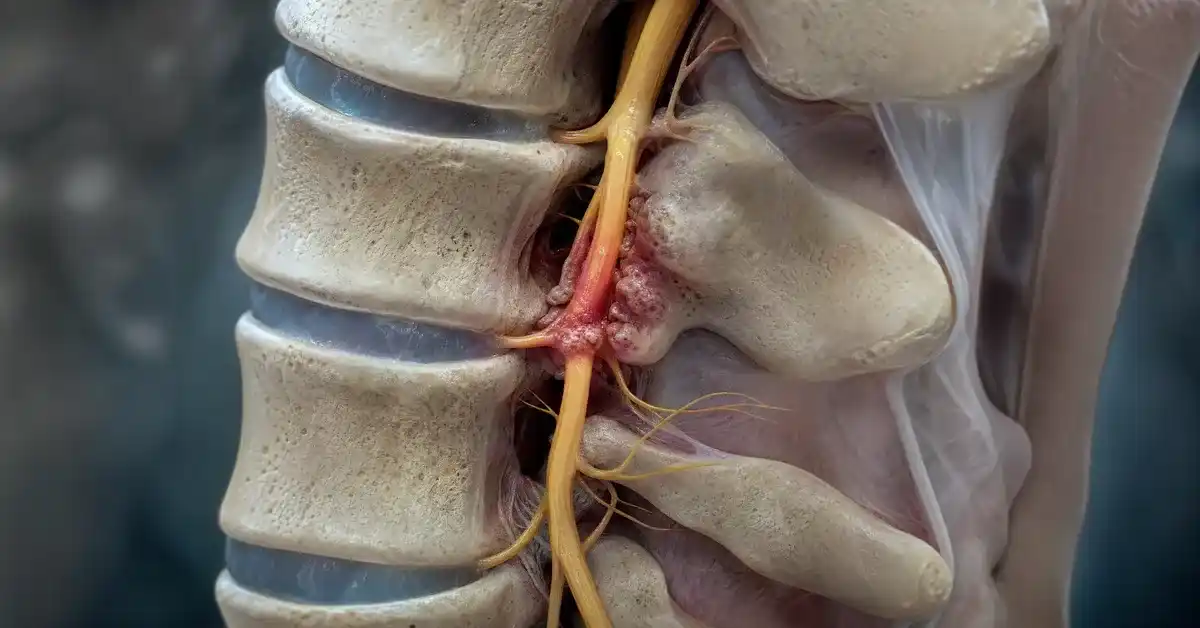
The spine is the central pillar of the human body, providing structural support and protecting the delicate spinal cord and branching nerves. As we age, or due to various underlying conditions, this complex structure can undergo changes that compromise its function. One of the most significant of these changes is lumbar spinal stenosis. Characterized by the narrowing of the spaces within the lower spine, this condition puts pressure on the nerves traveling through the lower back into the legs, leading to a cascade of debilitating symptoms that can severely restrict mobility and diminish overall quality of life.
At Safemedigo, we deeply understand the profound impact that chronic back pain and spinal conditions can have on your daily life. That is why we are dedicated to connecting patients from around the globe with elite hospitals and specialized medical centers, offering the most advanced and effective healthcare solutions available. Through our premium medical tourism services, we ensure you receive an accurate diagnosis and a comprehensive, personalized treatment plan—whether it involves conservative management or state-of-the-art surgical intervention—empowering you to reclaim your vitality and return to an active, pain-free life.
Lumbar Spinal Stenosis Overview
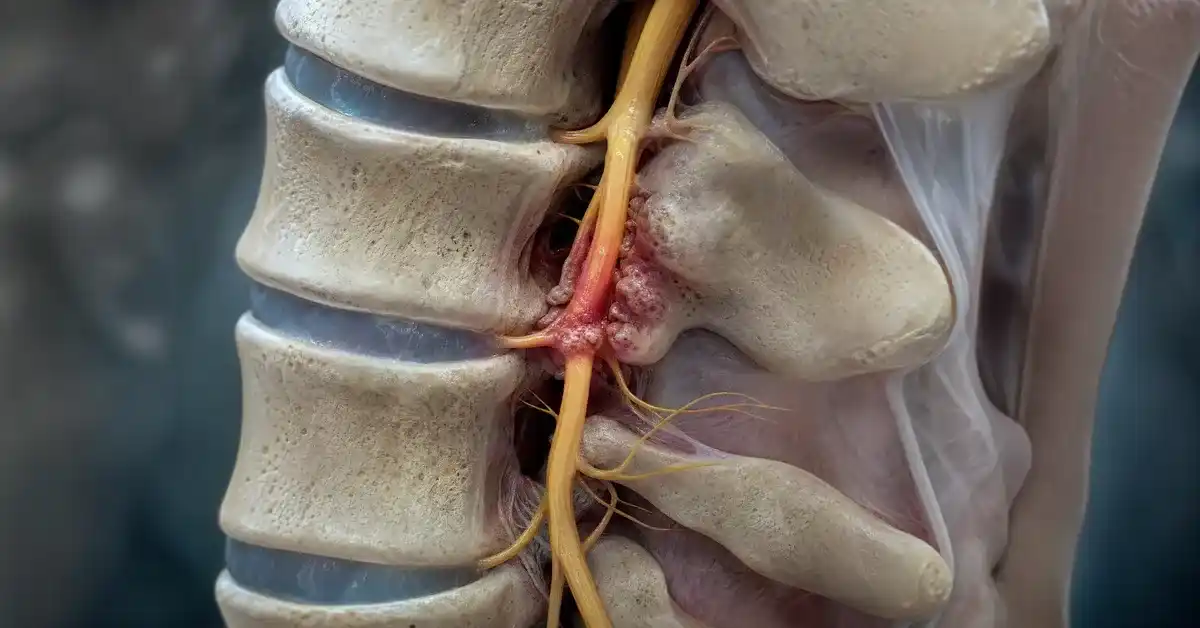
Lumbar spinal stenosis occurs when the spinal canal or the neural foramina (the openings where nerves exit the spine) in the lower back become abnormally narrow. This narrowing compresses the spinal cord and the nerve roots, which is the direct cause of the pain, numbness, and weakness experienced by patients.
Causes of lumbar spinal stenosis
There are multiple causes of lumbar spinal stenosis, but the most prevalent are degenerative changes associated with aging, such as osteoarthritis and the gradual wear and tear of spinal cartilage. Additionally, herniated discs, thickened ligaments (specifically the ligamentum flavum), and previous spinal injuries or trauma can significantly contribute to this narrowing. In some rare instances, individuals may be born with a naturally narrow spinal canal, a condition known as congenital spinal stenosis.
Spinal stenosis severity levels
Spinal stenosis severity levels vary widely from patient to patient. The condition ranges from mild stenosis, which may be asymptomatic or cause only occasional, manageable discomfort, to severe stenosis, which can lead to excruciating, relentless pain and extreme difficulty in walking or standing for even short periods. An accurate assessment of the degree of stenosis by a spine specialist using advanced imaging techniques is the crucial first step in determining the most appropriate and effective course of treatment.
Is spinal stenosis serious
Many patients naturally wonder, is spinal stenosis serious? While the stenosis itself is generally not considered a life-threatening condition, if left untreated, the progressive compression can lead to worsening symptoms and potentially permanent nerve damage. This can drastically affect a patient's mobility, independence, and overall well-being, making timely medical evaluation and intervention essential.
Symptoms of Spinal Stenosis
The symptoms of lumbar spinal stenosis typically develop gradually and worsen over time. Their severity and specific presentation depend heavily on the exact location and extent of the narrowing within the spinal canal.
Spinal stenosis symptoms lower back
Common spinal stenosis symptoms lower back include a dull, aching pain that often radiates outward into the buttocks, thighs, and down the legs. A hallmark characteristic of this pain is that it typically worsens during activities that involve standing upright or walking for extended periods. Conversely, the pain is often relieved by sitting down or leaning forward (such as leaning on a shopping cart), as these positions temporarily widen the spinal canal and alleviate the pressure on the compressed nerves.
Leg numbness for spinal stenosis treatment
Another highly distressing symptom is a persistent sensation of numbness, tingling, or a "pins and needles" feeling in the lower extremities, prompting patients to seek leg numbness for spinal stenosis treatment. This treatment primarily focuses on relieving the pressure on the lumbar nerves through a combination of anti-inflammatory medications, targeted physical therapy, or other specific medical interventions prescribed by the treating physician.
Lower back pain stenosis treatment
Effective lower back pain stenosis treatment requires a comprehensive, multi-faceted approach. This often includes periods of rest, modifying daily activities to avoid movements that exacerbate the pain, and the judicious use of prescribed pain relievers. In certain cases, a doctor may recommend epidural steroid injections to directly reduce inflammation around the affected nerve roots and provide significant, albeit sometimes temporary, pain relief.
Non-Surgical Spinal Stenosis Treatment
In many instances, the debilitating symptoms of stenosis can be successfully managed with non-surgical spinal stenosis treatment options, particularly during the early to moderate stages of the disease.
Non-surgical spinal stenosis treatment
Non-surgical spinal stenosis treatment focuses on alleviating symptoms and improving physical function without the need for invasive procedures. This conservative approach usually involves a carefully tailored combination of medication management, specialized physical therapy, and lifestyle modifications designed to meet the individual patient's specific needs and limitations.
Natural treatment for spinal stenosis
Natural treatment for spinal stenosis relies heavily on adopting a healthy lifestyle. This includes maintaining an ideal body weight to reduce the mechanical load on the spine and avoiding activities that involve carrying heavy loads or repetitive bending. The application of hot and cold compresses can also play a beneficial role in soothing muscle spasms and reducing localized inflammation associated with the stenosis.
Nerve compression lower back treatment
Non-surgical nerve compression lower back treatment aims to decrease the inflammation and swelling surrounding the affected nerves. This can be achieved through the use of non-steroidal anti-inflammatory drugs (NSAIDs), targeted physical therapy exercises, and making ergonomic adjustments to sitting and sleeping positions to relieve continuous pressure on the lower back.

Best Treatment for Spinal Stenosis
The medical options available for managing this condition are diverse, and the most appropriate choice is carefully selected based on the physician's thorough evaluation of the patient's specific clinical presentation.
Best treatment for spinal stenosis
There is no single intervention that can be universally considered the best treatment for spinal stenosis for all patients. The optimal treatment is one that is specifically tailored to match the severity of the symptoms, the patient's age, and their overall health status. While physical therapy and medication may be entirely sufficient for some, others with more advanced or rapidly progressing symptoms may require more advanced medical or surgical interventions.
Lumbar spine narrowing treatment
Lumbar spine narrowing treatment often incorporates the use of pain-relieving medications and muscle relaxants to manage acute flare-ups, in addition to localized cortisone injections that can provide temporary but highly effective relief from severe radiating pain. Regular follow-up appointments with the doctor are necessary to continuously evaluate the patient's response to the treatment and make adjustments as needed.
Spinal canal narrowing treatment
Successful spinal canal narrowing treatment requires the patient's strict adherence to the doctor's instructions and the guidance of their physical therapist. Patience and perseverance are key factors in effectively managing this chronic condition and improving the ability to perform daily activities without debilitating pain.
Exercises and Physical Therapy
Physical therapy plays a crucial and foundational role in restoring motor function and alleviating pain in patients suffering from spinal stenosis.
Spinal stenosis exercises
Specific spinal stenosis exercises are an integral component of any conservative treatment plan. These exercises focus primarily on strengthening the core abdominal and back muscles to provide better support for the spine and improve overall body flexibility. It is vital that these exercises are performed under the direct supervision of a qualified physical therapist to ensure they are done correctly and to prevent any additional injury or strain.
Exercises for spinal stenosis relief
Gentle activities such as stretching and swimming are excellent exercises for spinal stenosis relief, as they help improve blood flow to the affected area and reduce muscle stiffness. These exercises contribute to gently expanding the spaces between the vertebrae, thereby reducing the mechanical pressure on the compromised nerves.
Spinal stenosis physical therapy
A comprehensive spinal stenosis physical therapy program incorporates a variety of techniques, including manual therapy, electrical nerve stimulation (TENS), and ultrasound therapy. The specialist works to design a customized program aimed at strengthening the muscles that support the spine, improving balance, and increasing the patient's overall functional capacity.
When Surgery is Needed
Despite the effectiveness of conservative treatments for many, there are specific situations where surgical intervention becomes the most appropriate option to relieve suffering and prevent permanent damage.
When is surgery needed for spinal stenosis
The question of when is surgery needed for spinal stenosis is typically answered when symptoms become so severe that they significantly impede walking or performing simple daily tasks, or when signs of advanced nerve damage emerge, such as severe muscle weakness, foot drop, or a loss of bowel and bladder control (cauda equina syndrome).
Complications of spinal stenosis
Ignoring treatment in advanced cases can lead to severe complications of spinal stenosis, including partial or permanent paralysis in the legs. Timely surgical intervention aims to prevent these devastating complications by widening the spinal canal (decompression) to free the trapped nerves and restore normal neurological function.
Failed conservative treatment
When a sufficient trial period of conservative treatment fails to provide the desired relief, a surgical option such as a decompression procedure (Laminectomy) or spinal fusion becomes the recommended medical solution to significantly improve the patient's quality of life and mobility.
Prevention and Lifestyle
Taking proactive steps can help maintain spinal health and either delay the onset or prevent the progression of stenosis issues.
Chronic lower back pain causes
Understanding chronic lower back pain causes, such as prolonged incorrect sitting posture, poor lifting mechanics, and a lack of regular physical activity, is the first step in prevention. Avoiding these detrimental factors reduces the daily mechanical stress placed on the lower back vertebrae.
Healthy spine tips
Preventing spinal problems relies heavily on consistently practicing healthy spine tips, particularly engaging in regular exercises that strengthen the core muscles, and maintaining correct body posture while sitting, standing, and lifting objects.
Posture correction
Following a healthy lifestyle that includes a balanced diet rich in calcium and vitamin D, and avoiding smoking—which reduces blood flow to the spine and impairs healing—contributes effectively to maintaining bone strength, cartilage flexibility, and overall posture correction.
Conclusion
In conclusion, lumbar spinal stenosis is a complex medical condition that requires specialized attention and care to ensure it does not negatively dictate your quality of life. Through an accurate understanding of the symptoms and strict adherence to appropriate treatment plans—whether conservative, based on physical therapy and lifestyle modifications, or surgical in more advanced cases—patients can successfully regain their mobility and eliminate debilitating pain. Continuous prevention and mindful attention to spinal health remain the protective shield against the exacerbation of this issue.
At Safemedigo, we are deeply committed to providing our patients with the highest level of healthcare by offering access to the finest specialists and medical centers dedicated to the treatment of spinal diseases. Discover how our exceptional medical services can help you overcome back pain and confidently restore your activity with Safemedigo.
FAQ: Lumbar Spinal Stenosis Treatment
Can lumbar spinal stenosis be completely cured?
Stenosis caused by age-related degenerative changes cannot be completely reversed, but the symptoms can be managed very effectively. Through conservative or surgical treatments, pain can be significantly alleviated and mobility improved, allowing the patient to lead a normal, active life.
What are the best exercises for patients with spinal stenosis?
Exercises that involve slight forward bending, such as riding a stationary bicycle or swimming, are excellent because they help to temporarily widen the spinal canal and relieve the pressure on the compressed nerves.
Is walking beneficial for patients with lumbar spinal stenosis?
Walking is highly beneficial for overall cardiovascular health, but it may cause pain for stenosis patients if done for extended periods. It is recommended to walk for shorter durations with frequent rest breaks, and to lean slightly forward when pain is felt to relieve pressure.
How long is the recovery period after spinal stenosis surgery?
The recovery period varies depending on the specific type of surgery performed and the patient's overall health condition. Generally, patients can return to light activities within a few weeks, while full recovery and maximum benefit, with adherence to physical therapy, may take several months.
Can stenosis return after surgery?
In some cases, due to the ongoing natural aging process, stenosis can develop at other levels of the spine over time. However, the surgery usually provides long-lasting relief at the specific level that was treated.