





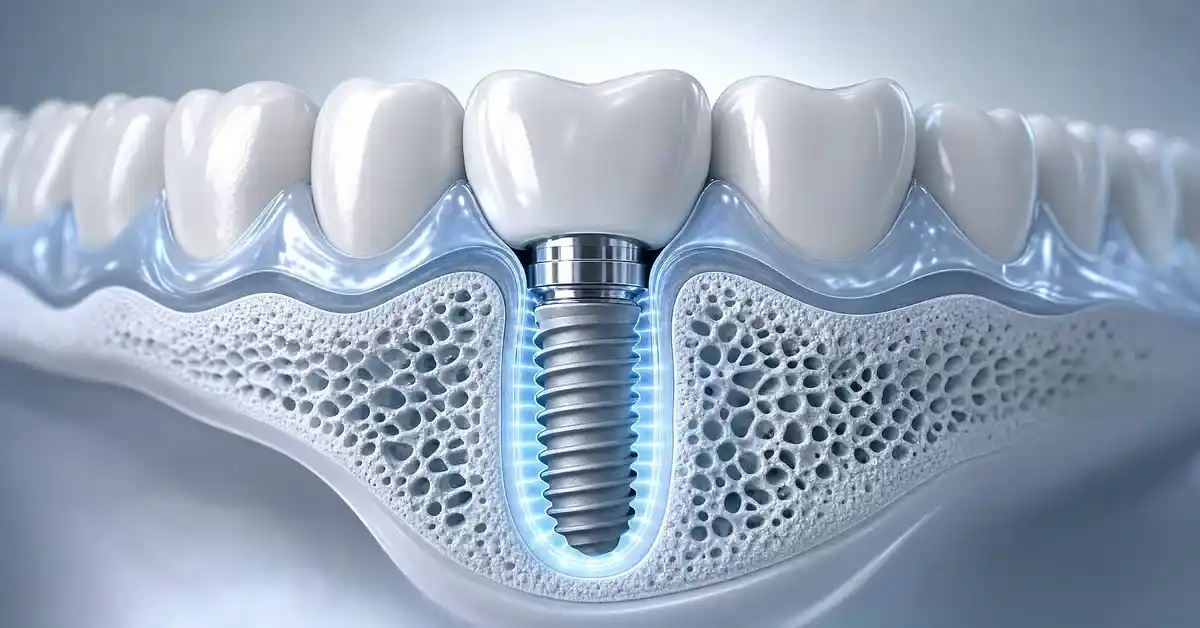
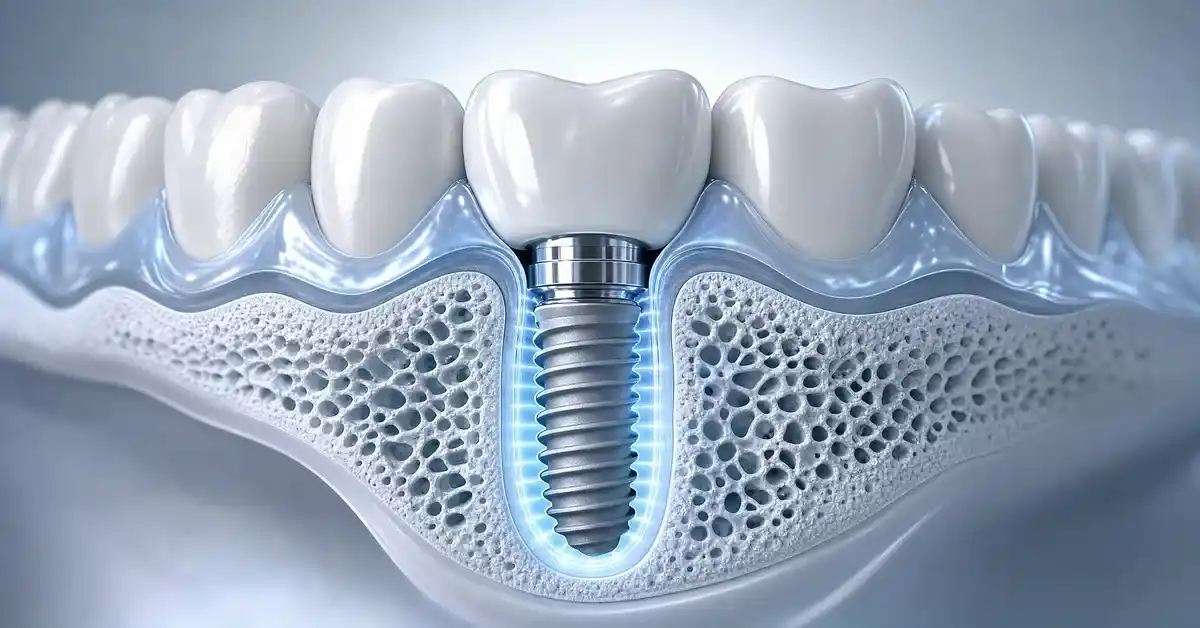
Dental implants without bone grafts represent one of the most significant breakthroughs in modern restorative dentistry, offering a realistic and accessible path to permanent teeth for patients who were previously told they were not suitable candidates for implants due to insufficient bone density or jaw atrophy. At Safemedigo, we are committed to providing our patients with the most accurate and up-to-date medical information so they can make confident, well-informed treatment decisions.
For decades, bone loss was considered the primary barrier to dental implant treatment. Patients with atrophied jawbones were required to undergo complex and often painful bone grafting procedures — sometimes involving harvesting bone from the hip or chin — before a single implant could be placed. Modern techniques such as All On 4 dental implants, immediate dental implants without bone graft, and sinus lift free dental implants have fundamentally changed this equation.
This comprehensive guide covers everything you need to know: what dental implants without bone grafts are, which techniques are available, the conditions for success, costs, risks, and how results compare before and after treatment — so you can approach your dental journey with clarity and confidence.
Dental Implants Without Bone Grafts: Modern Solutions
What Are Dental Implants Without Bone Grafts
Dental implants without bone grafts — also referred to as teeth implants without bone augmentation — are a group of surgical techniques and protocols that allow titanium implants to be placed in the jaw without requiring prior bone grafting procedures. Rather than building up the bone before implant placement, these approaches work with the available bone by identifying strategic placement sites, using angled implants, or accessing alternative bone regions that retain sufficient density.
In conventional implant dentistry, adequate bone volume at the implant site is a prerequisite. When bone is insufficient, traditional protocols require grafting procedures that can extend the overall treatment timeline by six months to over a year. Dental implants without bone grafts bypass this requirement entirely or reduce it to an absolute minimum, making treatment faster, less invasive, and more accessible for a broader range of patients.
Can You Get Dental Implants Without Bone
One of the most frequently asked questions in implant dentistry is: can you get dental implants without bone? The answer, in many cases, is yes. Advances in implant technology and surgical planning have made it possible to achieve successful implant outcomes even in patients with significant bone atrophy, provided that the right technique is selected for their specific anatomy.
However, the precise answer depends on the degree of bone loss, the patient's overall health, and the specific area of the jaw being treated. A thorough clinical evaluation using three-dimensional cone beam computed tomography (CBCT) imaging is the essential first step in determining whether a patient qualifies for implants without bone graft and which technique is most appropriate for their case.
Modern Dental Implants Without Bone
Modern dental implants without bone represent a broad spectrum of advanced protocols developed by restorative dentistry specialists over recent decades. These protocols are characterized by precise digital pre-surgical planning, three-dimensional imaging to identify optimal implant positions, and the use of implants designed in sizes and geometries that work with the available bone rather than requiring it to be augmented.
These developments have enabled millions of patients worldwide to receive fixed, natural-looking teeth without undergoing bone grafting surgery. What was once considered an insurmountable obstacle — bone atrophy — is now a challenge that modern implantology addresses with a growing range of effective solutions.
Techniques For Implants Without Bone Graft
All On 4 Dental Implants
All On 4 dental implants are among the most widely used and clinically validated techniques in the field of implants without bone graft. This protocol involves supporting a full arch of teeth on just four implants: two placed vertically at the front of the jaw and two placed at an angle of up to 45 degrees toward the back. The angulation is the key innovation — it allows the posterior implants to avoid areas of bone atrophy and engage denser, deeper bone regions that are typically well-preserved even in patients with significant jaw resorption.
The clinical advantages of All On 4 dental implants include:
- Temporary teeth can often be fitted on the same day as surgery, eliminating the need to go without teeth during healing
- Bone grafting and sinus lift procedures are avoided in the majority of patients
- Fewer implants are required compared to traditional full-arch restoration, reducing overall cost and surgical complexity
- A shorter recovery period compared to conventional bone grafting protocols
- A clinical track record spanning over two decades with consistently high long-term success rates
Immediate Dental Implants Without Bone Graft
Immediate dental implants without bone graft refer to a protocol in which the implant is placed and a temporary crown or bridge is fitted within the same session or within 24 to 48 hours of surgery. This approach eliminates the prolonged waiting period that characterizes traditional implant protocols, during which patients must wait months between implant placement and crown attachment.
The success of immediate dental implants without bone graft depends on achieving strong primary stability of the implant in the available bone — a parameter the surgeon assesses carefully before proceeding. This option is particularly well-suited to patients who wish to avoid extended periods without teeth and who value the psychological and social benefit of leaving the clinic with a functional, attractive smile on the day of their procedure.
Sinus Lift Free Dental Implants
In the upper jaw, the proximity of the maxillary sinuses to the implant sites has traditionally been a major obstacle. The classical solution — sinus lift surgery — involves elevating the sinus membrane and packing the space beneath it with bone grafting material to create sufficient height for implant placement. Sinus lift free dental implants avoid this complex procedure entirely through several alternative approaches:
- Short or narrow implants designed to work within the available bone height without requiring it to be increased
- Angled implant placement that steers clear of the sinus floor while engaging denser anterior bone
- The All On 4 protocol, which relies on well-preserved anterior bone regions in the upper jaw
- Zygomatic implants, which anchor in the cheekbone rather than the jaw for cases of severe upper jaw atrophy

Get to Know the Conditions For Dental Implants Without Bone
Conditions For Dental Implants Without Bone
Despite the considerable flexibility offered by modern techniques, certain conditions must be met to ensure the success of dental implants without bone grafts. These include:
- Good general health: The patient should be medically stable, free from uncontrolled systemic conditions such as poorly managed diabetes or severe cardiovascular disease.
- Healthy gum tissue: Active gum disease or infection must be fully treated before implant placement.
- Non-smoking or willingness to quit: Smoking significantly impairs bone healing and increases the risk of implant failure.
- Sufficient bone in alternative placement zones: Even when the primary site lacks bone, the alternative regions targeted by the chosen technique must offer adequate density and volume.
- Commitment to aftercare: Long-term success requires consistent oral hygiene and regular follow-up appointments with the dental specialist.
Success Rate Of Implants Without Bone Graft
Clinical studies consistently report that the success rate of implants without bone graft in carefully selected patients ranges between 95 and 98 percent over a ten-year period — figures that are comparable to those achieved with traditional implants placed following bone grafting. The All On 4 technique in particular has accumulated an extensive clinical evidence base, with long-term survival rates documented across leading implant centers worldwide.
The success rate of implants without bone graft is strongly influenced by the surgeon's experience and training, the quality of the implant system used, the precision of pre-surgical digital planning, and the patient's adherence to post-operative care instructions. Choosing a specialized center with a proven track record is one of the most important factors in achieving optimal outcomes.
Healing Time Dental Implants Without Bone
The healing time for dental implants without bone is significantly shorter than for traditional implant protocols that include bone grafting. The following table provides a general overview of the timeline:
| Stage | Approximate Duration |
|---|---|
| Assessment and digital planning | 1 – 2 weeks |
| Implant surgery and temporary teeth fitting | 1 day (immediate protocol) |
| Osseointegration (bone-implant fusion) | 3 – 6 months |
| Final crown or bridge placement | After osseointegration is confirmed |
Compared to traditional protocols with bone grafting — which can extend the total treatment duration to 12 to 18 months — the healing time for dental implants without bone is dramatically reduced, making the overall experience far less disruptive to the patient's daily life.
Cost Of Dental Implants Without Bone Graft and Influencing Factors
Cost Of Dental Implants Without Bone Graft
The cost of dental implants without bone graft varies considerably depending on several key factors: the country and clinic where treatment is performed, the surgeon's level of specialization, the number of implants required, the specific technique used, and the quality of the implant system and prosthetic components selected.
Turkey has established itself as one of the most competitive global destinations for dental implants without bone graft, combining internationally accredited medical standards with pricing that is substantially more accessible than Western Europe or North America. Safemedigo's network of accredited dental centers in Turkey offers patients access to state-of-the-art facilities and highly experienced implant surgeons at a cost that makes high-quality treatment genuinely attainable. Patients are always advised to obtain a comprehensive clinical evaluation before discussing costs, as the appropriate treatment plan varies significantly from one case to another.
Results Of Dental Implants Without Bone Graft
The results of dental implants without bone graft in appropriately selected patients are consistently excellent from both functional and aesthetic perspectives. Patients receive fixed teeth that closely resemble natural teeth in appearance and function, with the ability to chew, speak, and smile with complete confidence. These results are durable and long-lasting when proper care and regular follow-up are maintained.
Among the most consistently reported positive outcomes are a marked improvement in quality of life, restored self-confidence, unrestricted eating ability, and the preservation of facial contours — since dental implants stimulate the jawbone and prevent the progressive atrophy that accompanies long-term tooth loss.
Non-Surgical Dental Implants
The term non-surgical dental implants is sometimes used to describe implant protocols that avoid the additional surgical procedures associated with bone preparation — specifically bone grafting and sinus lift surgery. It is important to clarify that the implant itself is always placed surgically, as it must be anchored into the jawbone. What is avoided is the supplementary bone surgery that traditional protocols require before the implant can be placed.
By eliminating these additional procedures, non-surgical dental implants in this sense reduce overall surgical time, minimize post-operative discomfort and recovery duration, and lower the cumulative risks associated with multiple surgical interventions — making the treatment experience significantly more manageable for patients.
Pros And Cons Of Implants Without Bone Grafts
Best Dental Implants Without Bone Graft
The best dental implants without bone graft option for any individual patient depends on their specific clinical situation. The most widely used and evidence-supported techniques include:
- All On 4 dental implants: Ideal for patients with complete tooth loss and moderate to severe bone atrophy; offers same-day teeth in most cases.
- All On 6: Provides greater load distribution and stability; suitable when available bone permits six implant placements.
- Tilted implants: Avoid atrophied bone zones by engaging denser regions at strategic angles.
- Zygomatic implants: Reserved for cases of extreme upper jaw atrophy; anchor in the cheekbone for exceptional stability.
- Short and narrow implants: Designed for patients with limited bone height or width, eliminating the need for augmentation.
Risks Of Dental Implants Without Bone Graft
As with any medical procedure, dental implants without bone graft carry certain risks that patients should be aware of before proceeding:
- Osseointegration failure — the implant does not fuse successfully with the bone — occurring in a small percentage of cases, particularly in smokers or immunocompromised patients
- Peri-implantitis, an inflammatory condition around the implant that can lead to bone loss and implant failure if not identified and treated early
- Nerve damage in rare cases linked to inadequate pre-surgical planning or placement in proximity to nerve pathways
- Crown or implant fracture resulting from excessive loading or trauma
- Insufficient primary stability in cases of very severe bone atrophy, which may necessitate a modified approach
These risks are substantially reduced when treatment is performed by a highly experienced implant surgeon in a specialized center that employs rigorous pre-surgical digital planning and uses premium-quality implant systems.
Alternatives To Dental Implants Without Bone
In cases where dental implants without bone grafts are not suitable, several alternatives can be discussed with the treating specialist:
- Traditional implants with bone grafting: A longer process but allows implant placement in anatomically ideal positions with maximum bone support.
- Full or partial removable dentures: A non-surgical option that is less comfortable and stable than fixed implants but may be appropriate in certain cases.
- Fixed dental bridges: Rely on adjacent natural teeth as anchors; suitable for limited tooth loss rather than full-arch restoration.
- Synthetic bone substitutes: In some cases, modern bone substitute materials can reduce the waiting time compared to traditional autologous bone grafts.
Comparing Modern And Traditional Implants
Difference Between Traditional And Modern Implants
The difference between traditional and modern implants can be summarized clearly in the following comparison:
| Criterion | Traditional Implants | Modern Implants Without Bone Graft |
|---|---|---|
| Bone grafting requirement | Required in cases of bone atrophy | Not required in most cases |
| Total treatment duration | 12 – 18 months | 3 – 6 months (or less) |
| Number of surgical procedures | Up to 3 separate surgeries | Typically 1 surgery |
| Post-operative discomfort | Greater, longer recovery | Reduced, shorter recovery |
| Overall cost | Higher due to additional procedures | Generally lower |
| Long-term success rate | 95 – 98% | 95 – 98% in selected patients |
Teeth Implants Without Bone Augmentation
Teeth implants without bone augmentation represent the modern standard of care for a growing proportion of implant candidates. By working strategically with the bone that is naturally present — rather than attempting to rebuild it — these techniques deliver outcomes that are clinically equivalent to traditional implants while sparing patients the additional burden of bone augmentation surgery.
The shift toward teeth implants without bone augmentation reflects a broader trend in modern medicine toward minimally invasive approaches that achieve excellent outcomes with reduced patient burden. For the right candidate, this approach offers a compelling combination of speed, safety, and long-term reliability.
Immediate Dental Implants Without Bone Graft vs. Conventional Delayed Protocols
Immediate dental implants without bone graft offer a compelling advantage over conventional delayed protocols: the patient leaves the clinic on the day of surgery with functional temporary teeth. This contrasts sharply with traditional approaches in which patients may spend months without teeth or wearing uncomfortable removable dentures while waiting for bone grafts to consolidate and implants to integrate.
The psychological and social impact of this difference should not be underestimated. Patients who receive immediate dental implants without bone graft report significantly higher satisfaction with the treatment experience and a faster return to normal daily activities compared to those who undergo conventional multi-stage protocols.
Results Of Dental Implants Without Bone Grafts Before and After
Results Of Dental Implants Without Bone Graft
The before-and-after transformation documented in patients who receive dental implants without bone graft is consistently striking. Before treatment, patients typically present with difficulty chewing, altered speech, sunken facial contours due to bone resorption, and a significant reduction in self-confidence. After treatment, the same patients demonstrate full chewing function, natural-looking aesthetics, restored facial volume, and a profound improvement in overall quality of life.
Clinical documentation from specialized implant centers consistently shows that the results of dental implants without bone graft meet or exceed patient expectations in appropriately selected cases. The combination of precise digital planning, experienced surgical execution, and high-quality implant systems is the foundation of these consistently positive outcomes.
Healing Time Dental Implants Without Bone and Long-Term Durability
Beyond the initial healing time, dental implants without bone are designed for long-term durability. Titanium implants are biocompatible and osseointegrate permanently with the surrounding bone, creating a stable foundation that can last a lifetime under optimal conditions. The prosthetic components — crowns or bridges — may require renewal after 10 to 15 years depending on the material used and the patient's oral habits.
Long-term studies on All On 4 dental implants report implant survival rates exceeding 95 percent at the ten-year mark, with many patients retaining their original implants well beyond this timeframe. These figures underscore the reliability of modern implants without bone graft as a permanent solution rather than a temporary measure.
Success Rate Of Implants Without Bone Graft Over Time
Maintaining the success rate of implants without bone graft over the long term depends on factors that are largely within the patient's control:
- Meticulous daily oral hygiene, including the use of interdental brushes and water flossers around implant sites
- Complete cessation of smoking, which remains the single most significant modifiable risk factor for implant failure
- Regular professional check-ups every six months to monitor implant health and prosthetic condition
- Avoiding habits that place excessive stress on the implants, such as nail-biting or chewing hard objects
- Addressing bruxism (teeth grinding) with a night guard if present, to protect both implants and prosthetic components
Conclusion
Dental implants without bone grafts have fundamentally transformed what is possible for patients with bone loss, offering a faster, less invasive, and equally reliable path to permanent teeth that was simply not available a generation ago. Whether you are dealing with moderate bone atrophy or have been told in the past that implants are not an option for you, modern techniques such as All On 4 dental implants, immediate dental implants without bone graft, and sinus lift free dental implants may offer a solution that changes your life.
The first step is a thorough clinical evaluation with a specialist who has the expertise, technology, and experience to assess your specific anatomy and recommend the most appropriate approach. At Safemedigo, our network of accredited dental centers is ready to guide you through every stage of this journey with precision, care, and complete transparency.
Frequently Asked Questions
Can you really get dental implants without bone grafts?
Yes, in many cases. Modern techniques such as All On 4 dental implants, angled implants, zygomatic implants, and short implants allow successful implant placement even in patients with significant bone atrophy. A comprehensive clinical evaluation using 3D CBCT imaging is the essential first step to determine whether you are a suitable candidate and which technique is best for your specific anatomy.
What is the success rate of implants without bone graft?
The success rate of implants without bone graft in carefully selected patients ranges between 95 and 98 percent over ten years — figures that are comparable to traditional implants placed after bone grafting. Success depends on the surgeon's experience, the quality of the implant system, the precision of pre-surgical planning, and the patient's commitment to post-operative care and oral hygiene.
How long does healing take for dental implants without bone?
The healing time for dental implants without bone is significantly shorter than for traditional protocols with bone grafting. In immediate implant protocols, temporary teeth can be fitted on the day of surgery. The osseointegration process — during which the implant fuses with the bone — takes approximately 3 to 6 months, after which the final crown or bridge is placed. Total treatment time is typically 3 to 6 months, compared to 12 to 18 months for traditional grafting protocols.
What are the risks of dental implants without bone graft?
The main risks include osseointegration failure in a small percentage of cases, peri-implantitis (inflammation around the implant), and in rare cases, nerve involvement due to inadequate planning. These risks are substantially reduced when treatment is performed by an experienced specialist in a center that uses advanced digital planning technology and premium implant systems. Smoking is the most significant modifiable risk factor and should be avoided.
How does the cost of dental implants without bone graft compare to traditional implants?
Dental implants without bone graft are generally less expensive than traditional implants with bone grafting, primarily because they eliminate the cost of bone grafting materials, the additional surgical procedures, and the extended treatment timeline. Turkey, through Safemedigo's network of accredited centers, offers internationally competitive pricing for these procedures without compromising on clinical quality or outcomes.